Restorative Therapies
Purpose
Address trauma, PTSD, unprocessed grief, bereavement, abuse, loss, and heavy life transitions.

“I was there. I faced it and I healed from it.
— Natalia Zavislak
Today, I am here to leave a light on for you.”
Natalia is a trauma specialist, a beacon of light, who navigated through darkness from survivor to therapist. Her approach to therapy is integrative, blending traditional, behavioral, holistic, and transpersonal modalities with her extraordinary psychic abilities.
Specialized Therapies

Inner Child Therapy
Leveraging more than twenty years in education and a strong awareness of how childhood trauma affects individuals, she now dedicates herself to healing her clients’ “inner child.” Her aim is to help them reparent themselves, providing the love and meeting the needs that were missed earlier in life. She employs techniques such as age regression to revisit and understand past events, enabling the development of more constructive coping mechanisms. Other tools in her practice include Ho’oponopono, guided meditation and visualization, therapeutic dialogue, creative expression, and journaling.

Transgenerational Trauma Therapy (TGT)
The ending of Spain’s dictatorship coincided with Natalia’s birth into a family marked by the civil war’s devastation. Both of her grandmothers faced early widowhood, her mother was orphaned young, and her father began working as a child. This lineage of hardship instilled in Natalia an inherited grief and a pervasive sense of insecurity, stemming from both her genetic makeup and the stories passed down. Having personally recovered a sense of security through TGT therapies, Natalia is now passionate about guiding others to release generational trauma. Her TGT toolkit includes innovative methods like reparenting the ancestral inner child through guided meditation and hypnosis, advanced regression to mend memories or damaged DNA, alongside proven techniques such as trauma-informed, narrative, family therapy, and mindfulness.
Past Life Therapy and Previous Life Analytical Therapy
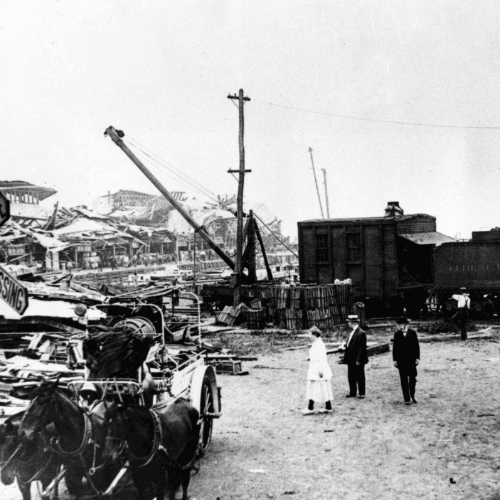
Central to her approach is the idea that some persistent traumas have roots in past lives, with the most recent reincarnation offering significant insights into present-day struggles. Utilizing Past Life Therapy (PLT), and Previous Life Analysis Therapy (PLAT), clients can decode the complexities of their current existence. This can reveal that individuals from their past life stories are present again, sometimes in different capacities. The profound discovery is that historical patterns tend to recur. By analyzing these patterns, individuals gain greater freedom and a strategic edge in their decisions, allowing them to proactively pursue destiny’s path rather than simply being carried by fate.
Trauma Therapy
What is trauma and how can it impact the mind, body, and soul?
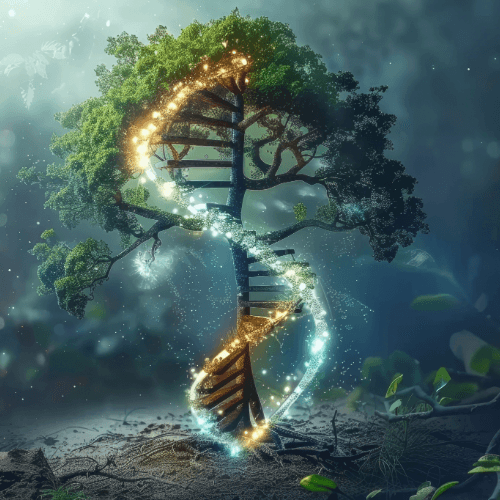
Traditional therapists often overlook a crucial aspect of trauma: it doesn’t always originate with the individual. In fact, it rarely does. Deeper exploration reveals layers of ancestral wounds, inherited through DNA—a phenomenon known as transgenerational trauma. Additionally, trauma can be transmitted through social interactions, cultural influences, and stories passed down from one generation to the next, which is intergenerational trauma.
In many instances, trauma stems from past lives, leaving residues in the soul that transfer pain and triggers from the subconscious to the conscious without our awareness. Our subconscious mind acts as a permanent storage, much like a computer’s hard drive, where all experiences are retained.
As a philologist and linguist, history, language implications, transmission of culture and its subsequent influence on individuals has been the focus of Natalia’s twenty-plus years of study making her a pioneer historical trauma researcher.
Her expertise in integrative therapies, focusing on the conscious, subconscious, and unconscious mind, fueled her research into behavioral patterns. This unique approach established her as an exceptional behavioral linguistic programmer, empowering individuals with tools to foster positive change through a deeper understanding of their minds and behaviors.
“Trauma is in most cases multigenerational. The chain of transmission goes from parent to child, stretching from the past into the future. We pass on to our offspring what we haven’t resolved in ourselves. The home becomes a place where we unwittingly re-create, as I did, scenarios reminiscent of those that wounded us when we were small.
— Dr. Gabor Maté (The Myth of Normal. Trauma, Illness & Healing in a Toxic Culture)
Trauma may even affect gene activity across generations as we will see.”
Holistic Therapy
Why choose Holistic/Integrative Therapy?
Holistic therapy, also known as integrative therapy, is a flexible and inclusive approach to psychotherapy. It recognizes that an individual’s mental, physical, emotional, and spiritual well-being are interconnected, and all contribute to their overall health. This therapeutic method combines techniques and ideas from various modalities to address each client’s unique needs.
“To truly understand an individual in their entirety, one must delve into their mind, body, and soul. Trauma’s impact extends beyond the mind, leaving imprints on the body and scars on the soul.”
— Natalia Zavislak
Natalia is a holistic therapist specializing in various healing approaches that address the impact of trauma on the mind, body, and soul.

Healing Mind
Addressing trauma at the mental and psychological level through evidence-based therapeutic approaches.
“The mind is like an iceberg, it floats with one-seventh of its bulk above water.”
— Sigmund Freud

When emotional breakdown or crisis strikes, your life can feel like it’s been bombed.
As Sigmund Freud observed, this concept is central to exploring the three levels of the mind, a journey crucial for mastering the impact of mental trauma.
Natalia employs this Freudian analogy to illuminate the three levels of the mind—conscious, pre-conscious (or subconscious), and unconscious—as essential for thoroughly observing an individual’s behavior. These levels signify varying degrees of awareness and accessibility to our thoughts, feelings, and memories.
The conscious mind encompasses our immediate thoughts, feelings, and perceptions. The subconscious, though not currently in our awareness, acts as a readily accessible memory bank, allowing for easy retrieval of information not actively being considered. In contrast, the unconscious mind houses repressed thoughts, feelings, and memories that are not easily accessible to conscious awareness but significantly influence our behaviors and emotions.
She has been investigating and utilizing diverse therapeutic approaches to address trauma at each of these levels. On a conscious level, she provides emotional support through trauma-informed coaching and specialized counseling for grief, loss, bereavement, abuse, and challenging life transitions.
Conscious-Level Therapies

Talk Therapy & ABA
Applied Behavior Analysis (ABA) concentrates on observing behaviors, aiming to understand why they occur and how to modify them. She uses this in combination with an exploration of the cultural background and the environment of the client’s childhood to analyze external influences.
Family Systems & TGT Therapy
Addresses family relationships and dynamics and targets the effects of past and learned traumatic experiences, focusing on transgenerational trauma patterns.
CBT (Cognitive Behavioral Therapy)
Aims to identify and challenge negative thought patterns to develop healthier ways of thinking and responding to life’s challenges.
NLP (Neuro-Linguistic Programming)
A therapeutic approach that focuses on the connection between neurological processes, language, and behavioral patterns learned through experience. Helps individuals gain a wider vision of their world and their place in it.
Mindfulness-Based Therapy
Includes meditation and breathing exercises helping individuals develop present-moment awareness, observing their thoughts and emotions without judgement, helping to manage intrusive thoughts and reduce stress.
REBT (Rational Emotive Behavior Therapy)
Aims to help individuals identify, challenge, and replace irrational beliefs with more rational and helpful ones, leading to improved emotional regulation and healthier behaviors.
Healing Subconscious
“The science revealed in this book defines how beliefs control behavior and gene activity and, consequently, the unfolding of our lives. The chapter on Conscious Parenting describes how most of us unavoidably acquired limiting or self-sabotaging beliefs that were downloaded into our subconscious minds when we were children. A child’s perception of the world is directly downloaded into the subconscious during the first six years of life, without discrimination and without filters of the analytical self-conscious mind that is not fully operational during this time. Consequently, our fundamental perceptions about life and our role in it are learned without our having the capacity to choose or reject those beliefs. Since the subconscious mind controls about 95% percent of our behavior, other people essentially program our lives.”
— Bruce H. Lipton, Ph.D (The Biology of Belief)
On the subconscious level, she works with techniques like regression therapy, hypnosis, guided imagery, hypnotherapy, and Neuro-linguistic programming (NLP) to help individuals identify and change limiting beliefs and emotional patterns rooted in the subconscious mind.

Subconscious Level Therapies
Regression Therapy
To heal aspects of traumatic memories from childhood, or adolescence. This technique allows clients to revisit and process past experiences that continue to influence present behavior.
Hypnotherapy
Used to bypass the conscious mind’s critical filter and implant positive suggestions or explore and address subconscious beliefs and patterns. It can help with issues like anxiety, phobias, smoking cessation, and trauma resolution.
RTT (Rapid Transformational Therapy)
Combining hypnotherapy and NLP to transform the subconscious. This powerful approach can create rapid and lasting changes in deeply held beliefs and patterns.
EMDR Therapy
Eye movement desensitization and reprocessing therapy treats mental health conditions that happen because of memories from traumatic events in your past. She has combined EMDR, SIT, and SEHT creating a new therapy called Emotional Desensitization Trauma Therapy (EDTT) that can work faster and in fewer sessions than traditional EMDR.
Subconscious Imprinting Technique (SIT)
Can create positive changes in the subconscious mind using guided imagery and suggestion in a relaxed state.
Subconscious Energy Healing Therapy (SEHT)
Used to address emotional, psychological, and relational blockages by tapping into the subconscious energy field.
Benefits of Working with the Subconscious Mind
- • Faster results compared to traditional therapy
- • Holistic healing improving mind, body, and spirit
- • Lasting behavioral changes
- • Gaining a deeper sense of awareness
Healing Unconscious
“When something vanishes from consciousness it does not dissolve into thin air or cease to exist, any more than a car disappearing round a corner becomes non-existent. It is simply out of sight, and, as we may meet the car again, we may come across a thought again which was previously lost. It is merely the decrease of attention that causes its disappearance. The unconscious, therefore, consists in the first place of a multitude of temporary eclipsed contents which, as experience shows, continue to influence the conscious processes.”
— C.G. Jung (The Undiscovered Self)
The idea is that even if we do not remember certain past experiences, maybe because they were painful or difficult to process, can be stored in the unconscious mind and influence current thoughts, feelings, and behaviors. By bringing these unconscious patterns to conscious awareness, individuals can gain insight into their struggles, develop healthier coping mechanisms, and experience emotional healing.
On the unconscious level, she works with past life therapy and previous life analysis to help people understand the root of traumatic experiences, or deep fears anchored deep in the unconscious. When phobias, fears, or anxiety come out, she can combine it with hypnotherapy.

“Through my experience I have learned that many of the severe and chronic conflicts therapists see in couples therapy, marital therapy, and family therapy actually have their root causes in prior lives. Therapy that explores other lifetimes in addition to the present one can resolve relationship conflicts that prove to be resistant to the usual therapeutic techniques.”
— Dr. Brian Weiss (Through Time Into Healing)
To delve deeper into the unconscious, she offers an integrated therapy that explores the unconscious mind through psychodynamic techniques, helping clients understand how past experiences and relationship patterns influence their present. This includes talk therapy and dream analysis. Her work also incorporates Jungian analysis to explore the shadow and archetypes, using methods like cognitive restructuring, imagery rescripting, and behavioral interventions to foster integration. Art therapy, journaling, and mindfulness are also part of her diverse toolkit.
Unconscious Level Therapies
Past Life Therapy
Explores other lifetimes to understand the root of traumatic experiences and deep fears anchored in the unconscious mind.
Previous Life Analysis
Helps people understand how past life experiences influence current relationships and behavioral patterns.
Psychodynamic Techniques
Explores the unconscious mind through integrated therapy, helping clients understand how past experiences and relationship patterns influence their present.
Jungian Analysis
Explores the shadow and archetypes, using methods like cognitive restructuring, imagery rescripting, and behavioral interventions to foster integration.
Healing Body
“Emotional disease is often due to an imbalance of chemicals (neurotransmitters) in your body and in your brain. The organs and systems apart from your brain that play an essential role in emotional stability are your adrenal glands, thyroid gland, digestive system, and liver.”
— Dr. Ameet Aggarwal (Heal Your Body, Cure Your Mind)

Through therapeutic coaching, Natalia works to free clients emotionally and nourish them physically. Her coaching sessions include Mindfulness & Life Coaching, EFT & Therapeutic Movement Guidance, and specialized Therapeutic Nutrition. The nutrition component is designed to revitalize the body by cleansing the gut and liver and strengthening the immune system. Additionally, she’s created a unique diet to alleviate trauma symptoms, incorporating foods that foster feelings of safety, adaptability, strength, and connection.
“Let food be thy medicine and medicine be thy food”
— Hippocrates
Beyond therapeutic coaching, she integrates holistic therapies and natural healing to counter the physical impact of emotional trauma.

Holistic Therapies for Emotional Well-being
To ease anxiety and stress, she uses sound therapy, chakra therapy, and hypnosis. While she no longer offers massage directly (as she did for two years in Texas, helping clients release stored emotions), she provides guidance on self-massage, somatic exercises, and aromatherapy. She also advises on beneficial holistic remedies like Ayurveda, Bach Flowers, and shamanic plant medicine. For fear, she employs shamanic healing and hypnotherapy.

Natural Healing for Trauma’s Physical Effects
Recognizing that trauma disrupts brain functions (like the amygdala, hippocampus, and prefrontal cortex), leading to anxiety, fear, memory issues, and emotional dysregulation, she offers specific interventions to address these physical manifestations. To regulate emotions and reduce brain hyperactivity, she incorporates somatic exercises, breathwork, and energy healing (including sound therapy, Reiki, yoga therapy, and heart-brain coherence). She also uses a Multidimensional Energy Healing Technique to clear energetic blockages impacting glands related to emotional stability, the autonomic nervous system, limbic system, and vagus nerve—all crucial for emotional regulation and stress management. Working remotely with the bio-energy field, she can address energetic issues causing emotional collapse. To correct prefrontal cortex dysfunction, she uses tapping, and for disrupted neural pathways, she employs shamanic medicine and light language.
“Trauma affects the entire human organism- body, mind, and brain, in PTSD the body continues to defend against a threat that belongs to the past. Healing from PTSD means being able to terminate this continued stress mobilization and restore the entire organism to safety.”
— Bessel van der Kolk, M.D. (The Body Keeps The Score. Brain, Mind, and Body in the Healing of Trauma)
Healing Soul
“False words are not only evil in themselves, but they infect the soul with evil.”
— Plato
Natalia’s explanation of the soul’s anatomy suggests that each of us has an energetic blueprint located in the heart center. This blueprint is connected to other energy centers in our hands and arms, and it communicates with the pineal gland. The pineal gland then sends this information to the mind for interpretation. When the mind, body, and soul are aligned with the universe, they create a “beautiful symphony.”
However, she explains that external threats like verbal or emotional abuse can damage this blueprint. This damage can cause us to feel disconnected from our purpose and vital force, leading to physical depletion and even illness.
To address this, Natalia uses several therapies including transpersonal therapy, psychic therapy, spiritual counseling, and soul coaching. For deeper healing, she offers a specific soul healing therapy called “higher self energy healing therapy,” which is a form of quantum hypnosis. In this hypnotic session, clients visit a “healing temple” to restore their vital force.


Natalia is a skilled angelologist, theologian, spiritual counselor, and soul coach who has a deep connection with the twelve archangels, beings of high vibrational energy who provide healing and protection. Her journey began in 2009 when she became aware of their presence, which had been with her since birth. She has worked closely with Archangel Michael, Gabriel, and Raphael, and was even gifted with hidden sacred knowledge by Raziel.
Her expertise is grounded in both spirituality and academia; she wrote a thesis on the existence of angels at Loyola University in 2015. More recently, she has expanded her practice to include channeling angelic sounds for healing and incorporating angels and ascended masters into her hypnosis sessions, allowing clients to experience their presence and receive guidance.
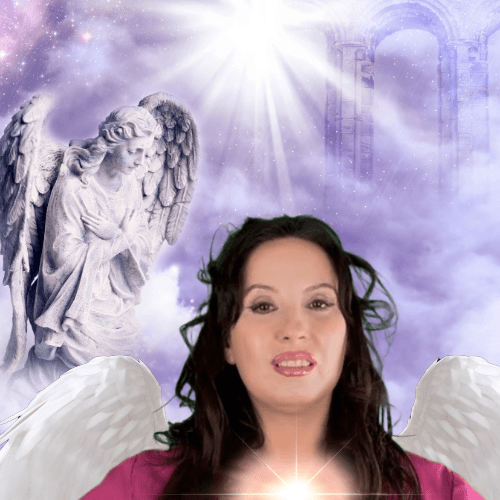
Natalia’s practice combines two key modalities:
Spiritual Counseling
This approach uses spiritual beliefs to help you heal from past experiences and emotional wounds. It’s focused on finding meaning and purpose in life and is ideal if you want to integrate spirituality (the Divine) into your healing journey.
Soul Coaching
This is a more forward-looking approach focused on self-discovery and personal growth. It helps you connect with your authentic self, clear mental clutter, and create a plan to achieve specific goals. This is a better fit if you want to make tangible changes in your life with spiritual guidance.
Natalia’s Soul Coaching Principles
- Yoga to find balance and focus on intentions
- Buddhism to practice detachment and work toward enlightenment
- Taoism to cultivate a sense of stillness
- Shamanism to connect with the Earth and the spiritual world to achieve a sense of wholeness
- Consciousness to help the soul evolve and achieve a state of oneness
Commencing a Restorative Therapy Session
Building the Foundation

The first therapy session is a crucial step in your therapeutic journey. It establishes the groundwork for your relationship with your therapist and the work you’ll undertake together.
Introductions and Establishing a Safe Space
- Greeting and Initial Rapport Building: Your therapist will welcome you and begin to build a connection.
- Discussion of Confidentiality and Other Policies: To ensure a clear understanding of the therapeutic framework, your therapist will review important aspects of confidentiality, including its limits, and any policies regarding contact between sessions or cancellation fees.
- Intake Process: This may involve completing paperwork, such as forms detailing your medical and mental health history, and information about your family history.
Exploring Your Reasons for Seeking Therapy
- “What Brings You to Therapy?”: Your therapist will likely ask this open-ended question to understand your presenting concerns and what prompted you to seek help.
- Gathering Background Information: They might inquire about various aspects of your life, including your relationships, work or school, living situation, and past experiences with therapy. As a behavioral linguist, the therapist also considers the client’s background, including upbringing, cultural exposure, and transmitted values, to create a conceptual map of the individual.
- Setting Initial Goals: You and your therapist will begin to discuss your hopes and goals for therapy.
Understanding the Therapist’s Approach
- Explanation of Therapeutic Approach: Your therapist may briefly explain their preferred therapy modalities and general working style.
- Time for Your Questions: You’ll have the opportunity to ask your therapist questions about their experience, approach, or any other concerns you might have about the process.
Setting Expectations
- Patience is Key: It’s crucial to understand that therapy is a journey, not a quick fix. You will likely need multiple sessions, at least 6-8, to see significant progress.
- Session Options: You can start with four weekly sessions and adjust from there.
Experience the Benefits of Our Restorative Therapies
Our restorative therapies are designed to help you regain peace and mental balance. You’ll learn to transform difficult emotions into love, release past trauma, and restore your energy. This process will help heal deep-seated emotional wounds and bring you back to a state of wholeness.